

Mount of Olives – The Ultimate Guide for Pilgrims, Travelers, and History Lovers
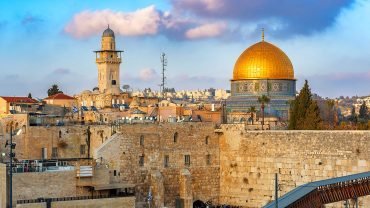
The Mount of Olives, just east of Jerusalem’s Old City in Israel, is one of the most sacred, historically rich, and visually stunning sites in the Holy Land. Rising 826 meters (2,710 feet) above sea level, it provides breathtaking views over the Old City, Dome of the Rock, and Judean Hills. The Mount is a hub of spiritual significance, historical intrigue, and natural beauty.
From ancient Jewish burials to Christian pilgrimage routes, the Mount of Olives has attracted visitors for thousands of years. Its olive groves, historic churches, and panoramic vistas make it a must-see destination for travelers, pilgrims, and historians alike.

Historical Overview
The Mount of Olives has been strategically and spiritually important throughout history:
-
Ancient Period: Archaeological evidence shows use of the Mount as far back as the First Temple period (~10th century BCE). The slopes served as a defensive site and burial ground.
-
Jewish History: The Mount hosts the largest and oldest Jewish cemetery in Jerusalem, containing graves of high priests, rabbis, and prominent figures. Jewish tradition holds that the resurrection of the dead will begin here when the Messiah comes.
-
Christian History: The New Testament describes Jesus’ activities here, including His teachings, prayers, and ascension into heaven. By the 4th century, churches and chapels were built to commemorate these events.
-
Islamic History: Muslim traditions recognize the Mount’s prophetic significance, especially due to its proximity to Jerusalem’s holy sites.

Spiritual and Biblical Significance
The Mount of Olives is a tri-religious site, significant for Christianity, Judaism, and Islam:
Christianity
-
Ascension of Jesus: Jesus ascended into heaven from the Mount (Acts 1:9-12). The Church of the Ascension marks this site today.
-
Garden of Gethsemane: Jesus prayed here before His arrest (Matthew 26:36-46). Ancient olive trees still stand, some believed to be 2,000 years old.
-
Dominus Flevit Chapel: Marks the spot where Jesus wept over Jerusalem (Luke 19:41-44).
-
Other Teachings: Jesus often visited the Mount, predicting the destruction of Jerusalem and teaching His disciples about the end times.
Judaism
-
Burial Site: Over 150,000 tombs are located here.
-
Messianic Prophecy: Zechariah 14:4 mentions the Mount splitting as a sign of the Messiah’s arrival.
-
Historic Figures: Includes graves of Maimonides’ descendants, ancient priests, and scholars.
Islam
-
Eschatological Significance: Recognized as a site connected to Islamic prophecy and spiritual reflection.
-
Proximity to Jerusalem: Close to the Temple Mount and Al-Aqsa Mosque, it has been visited by Muslim pilgrims for centuries.

Key Sites on the Mount of Olives
1. Church of the Ascension
-
Marks the site of Jesus’ ascension.
-
Features a footprint believed to be Jesus’ last step.
-
Built in the 4th century, rebuilt several times over history.
2. Chapel of Dominus Flevit
-
Shaped like a tear to symbolize Jesus’ sorrow over Jerusalem.
-
Offers spectacular views of the Old City and Kidron Valley.
3. Tomb of the Virgin Mary
-
Orthodox Christian tradition holds this is Mary’s burial site.
-
Small underground crypt open to visitors.
4. Garden of Gethsemane
-
Houses ancient olive trees, some dating back millennia.
-
Location of Jesus’ prayers before His crucifixion.
-
Contains small churches and pathways for meditation and reflection.
5. Jewish Cemetery
-
Largest cemetery in Jerusalem, with continuous use for thousands of years.
-
Tombs include prominent rabbis, scholars, and historical figures.
6. Observation Points
-
Panoramic views of Jerusalem and the surrounding Judean Hills.
-
Perfect for sunrise, sunset, and photography enthusiasts.
7. Smaller Chapels and Monasteries
-
Several smaller churches and monasteries commemorate biblical events, such as the Pater Noster Church, Church of St. Mary Magdalene, and other historical sites along the slopes.

Visiting the Mount of Olives – Practical Tips
-
Best Time: Spring (March-May) and Autumn (September-November).
-
Hours: Most sites open from early morning to evening; sunrise and sunset are particularly scenic.
-
Clothing: Modest attire recommended for religious sites.
-
Shoes: Comfortable walking shoes are a must due to uneven terrain.
-
Guides: A local guide enriches your experience with historical, religious, and cultural context.
-
Accessibility: Roads allow vehicles; walking paths connect most sites. Some areas may be challenging for wheelchairs or strollers.
-
Time Required: Minimum 2-3 hours; 4-5 hours recommended for full exploration.
Cultural Insights
-
Olive Trees: The Mount is named for its ancient groves. Olive trees are central to local agriculture, culture, and symbolism, representing peace, endurance, and spirituality.
-
Local Traditions: Pilgrims often leave prayers in small chapels or touch holy stones.
-
Festivals: Visits during Christian Easter, Christmas, and Jewish High Holy Days offer unique spiritual experiences but can be crowded.
Nearby Attractions
-
Old City of Jerusalem: Western Wall, Church of the Holy Sepulchre, Via Dolorosa
-
Kidron Valley: Separates the Mount from the Old City, featuring ancient tombs and monuments
-
Temple Mount: Dome of the Rock, Al-Aqsa Mosque
-
Mount Zion: Last Supper Room, Church of the Dormition
Maps and Transportation
-
Location: East of Jerusalem’s Old City, overlooking the Kidron Valley.
-
Transportation: Accessible by private car, taxi, or organized tour buses.
-
Walking Routes: Several trails connect major sites, including a scenic route from the Garden of Gethsemane to the top observation points.
-
Parking: Limited parking near churches; public transportation is recommended for peak tourist seasons.
Frequently Asked Questions (FAQs)
Q1: Mount of Olives live cam
Several live webcams show panoramic views of Jerusalem from the Mount of Olives, including sunrise, sunset, and the Old City. Pilgrims can view holy sites in real-time from around the world.
Q2: What happened at the Mount of Olives in the Bible?
Jesus taught His disciples, prayed in the Garden of Gethsemane, wept over Jerusalem, and ascended into heaven from this location. King David also fled here during Absalom’s rebellion.
Q3: Mount of Olives map
Located east of Jerusalem’s Old City, the Mount includes key sites like the Church of the Ascension, Dominus Flevit, Tomb of the Virgin Mary, and Garden of Gethsemane.
Q4: Mount of Olives Jesus
Jesus frequently visited the Mount, praying, teaching, and ultimately ascending to heaven, making it central to Christian pilgrimage.
Q5: Where is the Mount of Olives in the Bible?
The Mount is mentioned in both Old and New Testaments, as a place of refuge, prophecy, and teaching. Today it is east of Jerusalem’s Old City.
Q6: Mount of Olives split
According to Zechariah 14:4, the Mount will split as a sign of the Messiah’s arrival—a symbolic prophecy significant to both Jewish and Christian eschatology.
Q7: Mount of Olives Jerusalem
A prominent hill in Jerusalem, rich in history, religious significance, and scenic beauty.
Q8: What country is the Mount of Olives in?
The Mount of Olives is in Israel, east of Jerusalem’s Old City.
Comment (0)